At KP Law, our expert data breach lawyers want to lessen the impact of a data violation as much as possible. To help, we have collated a range of support, information and other resources to help you get your life back on track.

We understand that making a data breach compensation claim can seem difficult, and that not knowing what to expect can be stressful. To protect you from any unnecessary worry, we make sure you are fully informed at every step of the process. To help with this, our handy data breach jargon buster explains some of the key legal phrases and terminology you might come across when making a claim.
The ICO is an independent authority, set up to uphold information rights in the public interest, and to promote openness by public bodies and data privacy rights. You have the right to ask the ICO to assess if an organisation breached the Data Protection Act.
If you are concerned about the way an organisation has handled your personal information, you should make a complaint to the ICO.
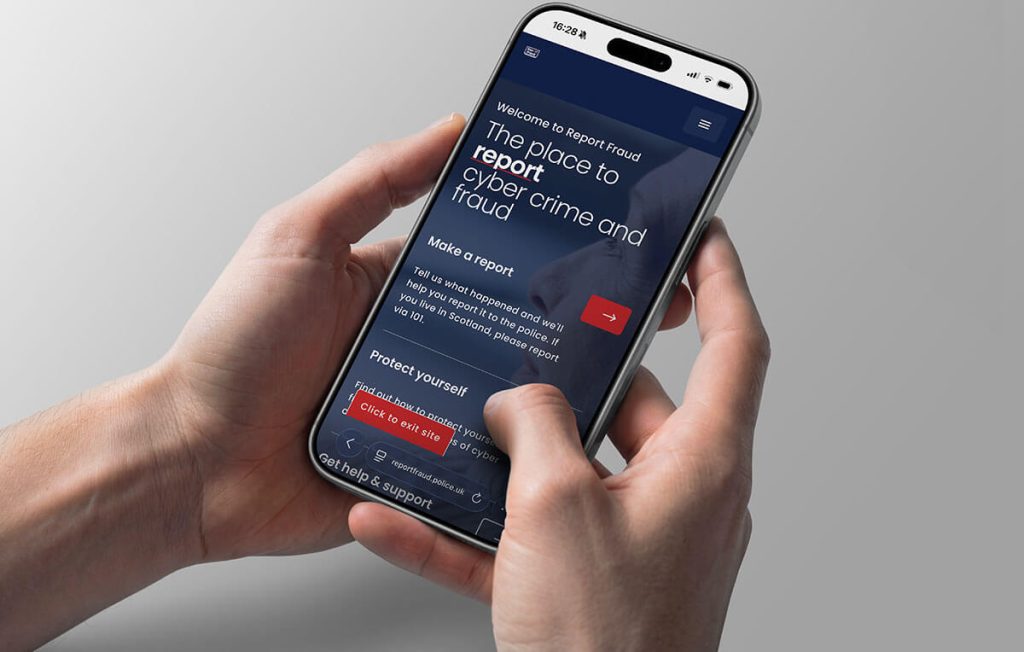
Report Fraud is the reporting centre for fraud and cybercrime. If you have been scammed, defrauded or experienced cybercrime in England, Wales and Northern Ireland, you should also report this to Report Fraud.
Once you make a report, Report Fraud will provide you with a police crime reference number and your case will be passed to the relevant local police force/law enforcement agency for investigation. Report Fraud does not investigate the cases and cannot advise you on the progress of a case.
It is important to make a report via Report Fraud, as it uses this data to make reports and passes these to the National Fraud Intelligence Bureau (NFIB). The NFIB uses this data to identify serial offenders, organised crime groups and find emerging crime types.
Our data protection solicitors have listed some helpful links to ensure victims of data breaches know where they can turn.

The leading independent victim’s charity in England and Wales for people affected by crime and traumatic incidents.

If you are struggling emotionally after a data breach, you can call the Samaritans free from any phone.
Advice, information, onward referral, and holistic support to people experiencing mental ill-health and drug/alcohol difficulties (which could be exacerbated following the Capita hack). The service can also support people who have been a victim of crime.
Victims of online offences such as scams and financial/identity fraud following the Capita data hack should contact Action Fraud to report their loss.
A source of unbiased, factual, and easy-to-understand information on online safety with guidance to protect you from fraud, identity theft and abuse.
Impartial advice to help everyone in the UK protect themselves against financial fraud.
See our answers to the FAQs we get asked about making a data breach compensation claim with our expert data protection lawyers.
Anyone who has had their personal information put at risk because an organisation has not protected their data in the way it is legally obliged can claim data breach or cybercrime compensation. Our expert lawyers help people to come together and make a wide range of Privacy and GDPR group action claims after a data protection breach. This is called making a Group Action claim.
Yes. If you have already contacted the ICO about a breach, we can still help you to make a claim. In fact, we use the evidence uncovered in ICO investigations to support your case.
Yes. Anyone who has had their personal data exposed or put at risk can make a compensation claim. This includes customers, former customers, employees and former employees.
An employer cannot fire you or harm your career in any way if you make a claim. They would be breaking employment law if they did, and any action could be classed as discrimination.
Under the UK GDPR, organisations MUST tell you if they have breached your personal data. If you suspect your data has been breached and you haven’t heard from the company in question, you should report this to the ICO.
If you are told that you are involved in a data breach, or if you hear that a company has suffered a data breach and are worried you might be affected, check to see if we are running a group action in relation to that claim. If we are, sign up to see if you are entitled to make a compensation claim.
You should also note your version of events ASAP, including the impact on you. This could provide valuable evidence in court.
You should also protect yourself following a data breach or cybercrime.
The Information Commissioner’s Office (ICO) is the UK’s independent data privacy regulator. It investigates data breaches and fines organisations who fail to meet the requirements of the Data Protection Act. You have the right to ask the ICO to assess an organisation if you think it is guilty of a breach.
The ICO does not award compensation, but you can use evidence uncovered by the ICO to support a data protection compensation claim.
No, the ICO does not award compensation to data breach victims.
Our expert data breach lawyers use evidence uncovered by the ICO to support your data protection compensation claim.
No. We can start a data breach action against an organisation without you going to the ICO, but we would always recommend this as a first step.
No. We can start a claim before the ICO has concluded its investigation. In some cases, actions are settled before an organisation has been fined by the ICO.
We help you to navigate legal speak. What is…?
If your claim is not successful, you will be responsible for a share of the Defendant’s costs. These costs will have been incurred in defending the claim. When we take out ATE Insurance on your behalf, we protect you from having to pay these costs and expenses if you lose your case.
The person(s) making the claim.
A CFA is also known as a No-Win, No-Fee agreement between you and your solicitor. It states that you won’t have to pay a penny if your claim is unsuccessful.
A data protection breach refers to any situation where personal data has been wrongly accessed, altered, disclosed, destroyed, or lost. A data protection breach can occur because of hackers and other cybercriminals, or by human error, negligence and poor security processes.
A data protection hack is caused by people with malicious intent who break into a company’s systems to steal information.
The organisation(s) that has breached your data and who you are claiming against.
A payment we make on your behalf to a third party.
A legal document that asks for specific information about the data breach incident you were involved in. For example, it might ask about any bookings/purchases you made with a defendant and details of the card you used to do this.
A group action claim is where a group of people – sometimes even thousands of people – have been affected by the same issue. Group action cases are also known as class actions or multi-party actions.
With a group action claim, the claimants collectively bring their cases to court against a defendant. These victims then fight together to achieve compensation in the High Court of Justice.
Where cases are very similar, group actions can be a powerful tool and can have a bigger impact than a single claim.
An order of the court in England and Wales, a GLO allows people who have suffered common or related issues to have their cases managed collectively via a group action.
The group register is a large database of everyone seeking to claim against the defendant.
A Letter of Claim lets the defendant know that we plan to start proceedings against them on your behalf.
An independent authority, set up to uphold information rights in the public interest, and to promote openness by public bodies and data privacy rights. While the ICO does not award compensation, it does have the power to impose hefty fines on organisations in breach of their duties.
A legal document that asks how the breach has affected you. This could include things such as spam/nuisance phone calls and emails, cancelled cards, financial loss and emotional distress. You can fill in our Impact Form online.
A legal agreement between you, your solicitors, and all the other claimants in the group action. It establishes how the case will be managed in the most cost-effective and least troublesome way to you.
A two-page court document. It briefly outlines your claim against the defendant.
Also known as a CFA, a no-win, no-fee agreement is a contract between you and your solicitor. It states that you won’t have to pay a penny if your claim is unsuccessful.
A Part 36 Offer is an offer of settlement. It can be made by either the claimant or the defendant. A Part 36 Offer aims to settle a claim early without the matter having to go to court.
The Particulars include all the necessary details and background information the court needs from us to make a data breach compensation claim. This document also sets out what we hope to achieve on your behalf. A Particulars of Claim is needed only if court proceedings are necessary.
A representative action is a type of group action. Representative actions are launched when a group of people are affected by the same issue and have experienced the same level of harm.
Personally identifiable information (PII) is any data that can be used to identify a specific individual – either on its own or together with other information.
Examples of PII include full names, bank account numbers, passport numbers, email addresses and a whole range of other data.
The Schedule 2 form asks you about any financial losses, distress, and/or inconvenience you have suffered as a result of the data breach. Sometimes this means providing information that you have already supplied to us. We appreciate that this is frustrating, but the impact of a data breach isn’t always immediately apparent. So, it’s vital that we regularly assess the level of loss and upset you have suffered to ensure you receive the maximum compensation possible.
A Statement of Truth is a statement that confirms that the facts stated in a document are true. For example, we often ask you to sign a Statement of Truth to verify that a defendant has advised you that you were involved in the data breach incident.
Signing a Statement of Truth which you know contains false evidence can negatively impact the success of your claim. Contempt of court proceedings may also be brought against you if you have provided statements that you do not believe to be true. So, before you sign a Statement of Truth, you should verify this to be correct.
If your claim is successful, we will charge a success fee. This fee covers the costs we have incurred in representing you in your case. At KP Law, our fees are reasonable and we always explain what you will have to pay if you win up-front.
There are several essential laws designed to keep us all safe online. Here are some of the key data protection laws that apply in the UK.
The Data Protection Act 2018 controls how your personal information is used by organisations, businesses, and the government. The Data Protection Act is the UK’s implementation of the General Data Protection Regulation (GDPR).
The UK General Data Protection Regulation is an EU regulation law on data protection and privacy. Despite Brexit, all UK organisations must comply with the GDPR. In the UK, the Data Protection Act (DPA) is the UK’s interpretation of the GDPR.
The Online Safety Bill is a proposed Act of the Parliament. The Bill is intended to improve internet safety. The Bill would create a new duty of care for online platforms towards their users. For example, it would require them to take action against illegal and legal but harmful content.
The Computer Misuse Act helps to stop people from using computers for illegal purposes. It deals specifically with the crime of accessing or modifying data stored on a computer, without being authorised to do so.
The Copyright, Designs and Patents Act gives the creators the right to control how their material is used. Music, books, videos, games and software can all be covered by copyright law.
The Privacy and Electronic Communications Regulations (PECR) governs email marketing. The latest version of PECR came into effect on 29 March 2019.
The Protection from Harassment Act protects the victims of harassment. This includes stalking, racial harassment, and anti-social behaviour by neighbours. Tech abuse often falls under this act.
The Malicious Communications Act 1988 makes it illegal to “send or deliver letters or other articles for the purpose of causing distress or anxiety”. It also applies to emails. Communications sent via social media could also breach this act.
The Human Rights Act sets out the fundamental rights and freedoms that everyone is entitled to. Part of this act is your right to respect for your private life, your family life, your home and your correspondence (e.g. letters, telephone calls and emails). What this means is that you have the right to live your life privately without government interference.